







Mortise-and-tenon, dovetails, and pinned lap joints reduce reliance on synthetic adhesives and create pieces that can be tightened, not tossed. Steam-bending with beech captures elegant arcs using heat and moisture, not plastics. Green woodworking respects the fresh moisture of timber, saving energy, and the result is living furniture that breathes, acclimates, and truly endures.
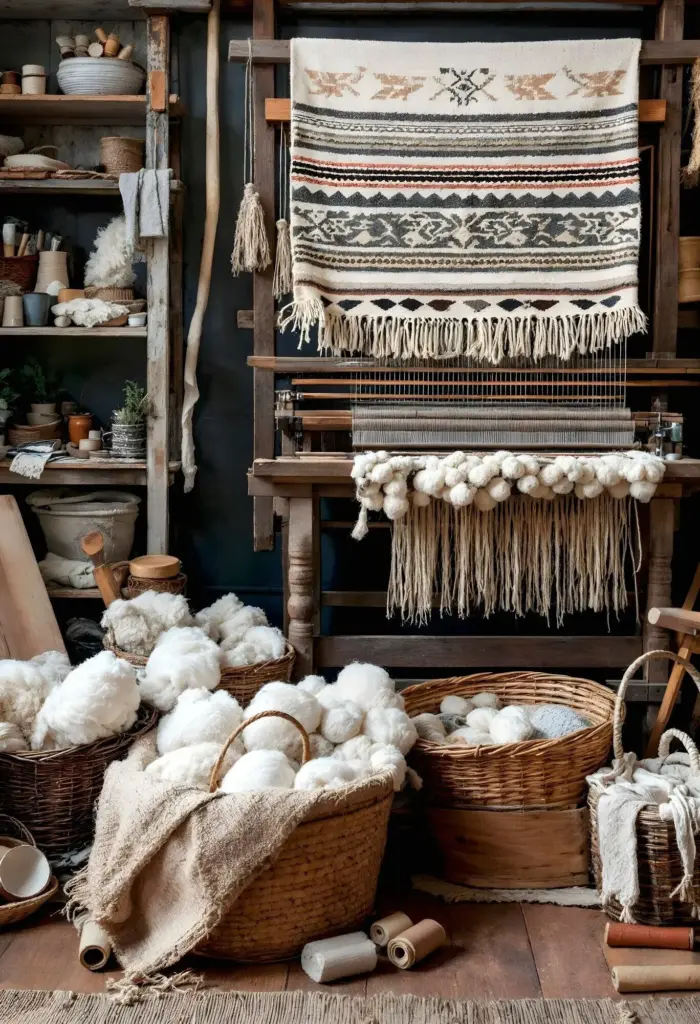
Natural dyeing embraces patience. Mordants and modifiers are measured cautiously, baths are reused, and colors layered slowly to reduce runoff. Rainwater catchments and careful pH monitoring protect waterways. Workshops share swatches, recipes, and failures, building collective knowledge that treats vibrant color as a responsibility as much as an art, thereby preserving streams and trust.
Wood finishes lean on plant oils, beeswax from local apiaries, and casein or mineral paints. Surfaces are repairable, allowing scrapes to be renewed with light abrasion and fresh coats rather than full replacement. The tactile result invites continual care, turning ownership into a relationship grounded in seasonal maintenance, gentle touch, and ongoing appreciation.

Scraps from boards and cloth are cataloged by size and species, then transformed into handles, inlays, buttons, and playful ornaments. Shavings cushion shipments or compost gently. This mindset trains eyes to see possibility in edges and trimmings, turning accounting into creativity, and closing loops one tiny, satisfying decision at a time.

Furniture arrives with diagrams, labeled screws, and downloadable files for spare parts. When a leg loosens or cloth tears, replacements are easy to source and fit. Makers publish repair videos and offer seasonal clinics. Ownership becomes participatory, where pride grows alongside skills, and objects evolve gracefully with changing rooms, families, and needs.

Reusable crates, recycled papers, and plant-based tapes protect goods without excess. Deliveries within cities favor bicycles or shared routes, bundling orders to reduce miles. Notes inside explain choices and invite returns of packaging. The unboxing becomes a lesson in care and coordination, affirming that responsibility continues long after tools are set down.

Before choosing, ask where materials were grown, mined, or gathered, how finishes affect indoor air, and what repair options exist. Request care instructions and spare parts. Notice packaging choices. Makers welcome these conversations because they affirm shared values, reduce misunderstandings, and create partnerships that endure beyond a receipt and the first unboxing thrill.
All Rights Reserved.