
Discover Slovenian Handmade Goods the Ethical Way
Step into an ethical shopping guide to Slovenian handmade goods and where to find them, celebrating fair pay, sustainable materials, cultural respect, and genuine provenance. We’ll show you trusted marketplaces, studios, and online spaces, while sharing stories of makers whose patient craftsmanship turns simple resources into meaningful, long-lived pieces you can cherish, repair, and proudly gift. Join in, ask questions, and help ensure every purchase strengthens communities and traditions.

What Ethical Really Means When Buying Crafts
Ethical purchasing goes beyond a pleasant label or trending buzzword. It meets people and places with honesty, ensuring artisans are paid fairly and credited clearly. It respects materials, favors durability over disposability, and supports workshops where skills are taught, shared, and safeguarded. When you choose carefully, you invest in living traditions, protect local livelihoods, and bring home objects that tell stories you will be proud to retell for years.
Fair Pay and Transparent Origin
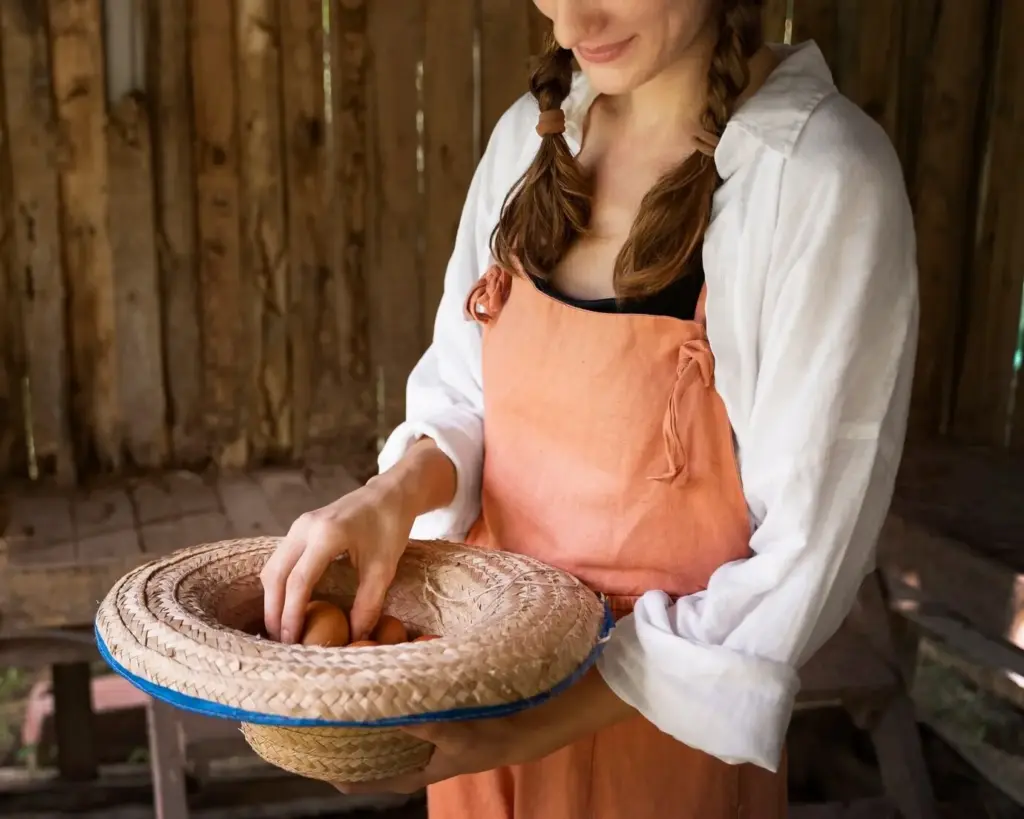
Ask who made the piece, how long it took, and what portion of the price reaches the artisan. Seek maker profiles, receipts that name workshops, and tags with clear origin details. Honest pricing reflects time, training, and quality materials, rather than hiding costs in supply chains. Transparency protects communities, guides your conscience, and helps ensure the next generation can afford to keep these skills alive.
Sustainable Materials and Low-Impact Practices
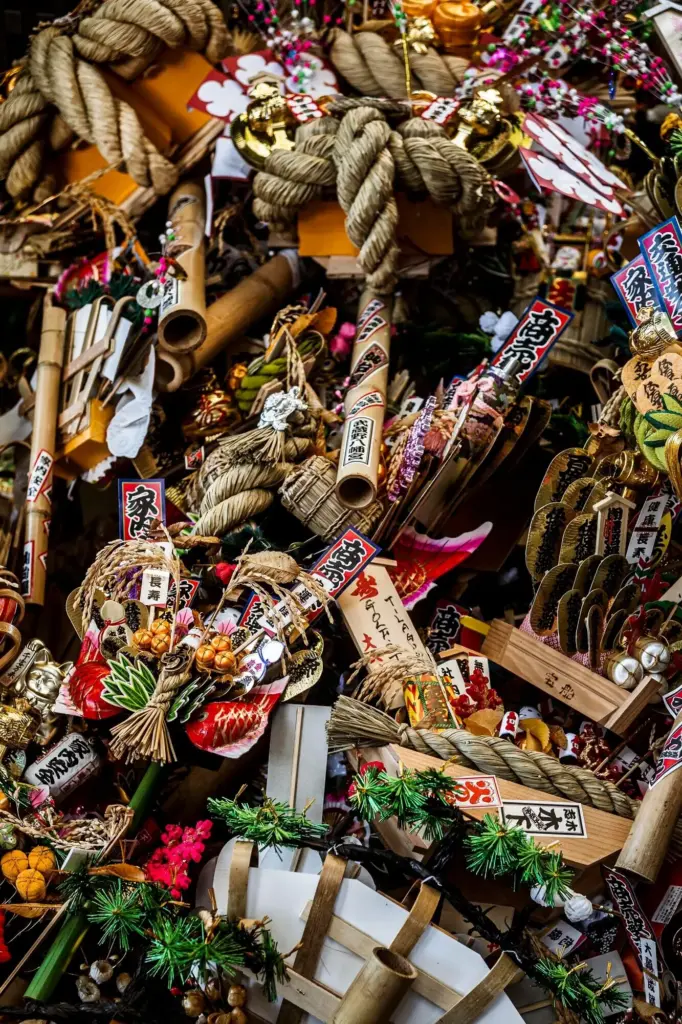
Look for regional woods, responsibly sourced fibers, natural dyes, recycled packaging, and small-batch production that reduces waste. Ethical workshops consider energy, byproducts, and repairability as much as aesthetics. Ask about offcuts, finishing oils, water use, and safe glazes. When makers value the environment, their creations often last longer, age better, and develop character that fast, factory-made objects rarely achieve or even attempt to imitate.
Cultural Respect and Community Benefit
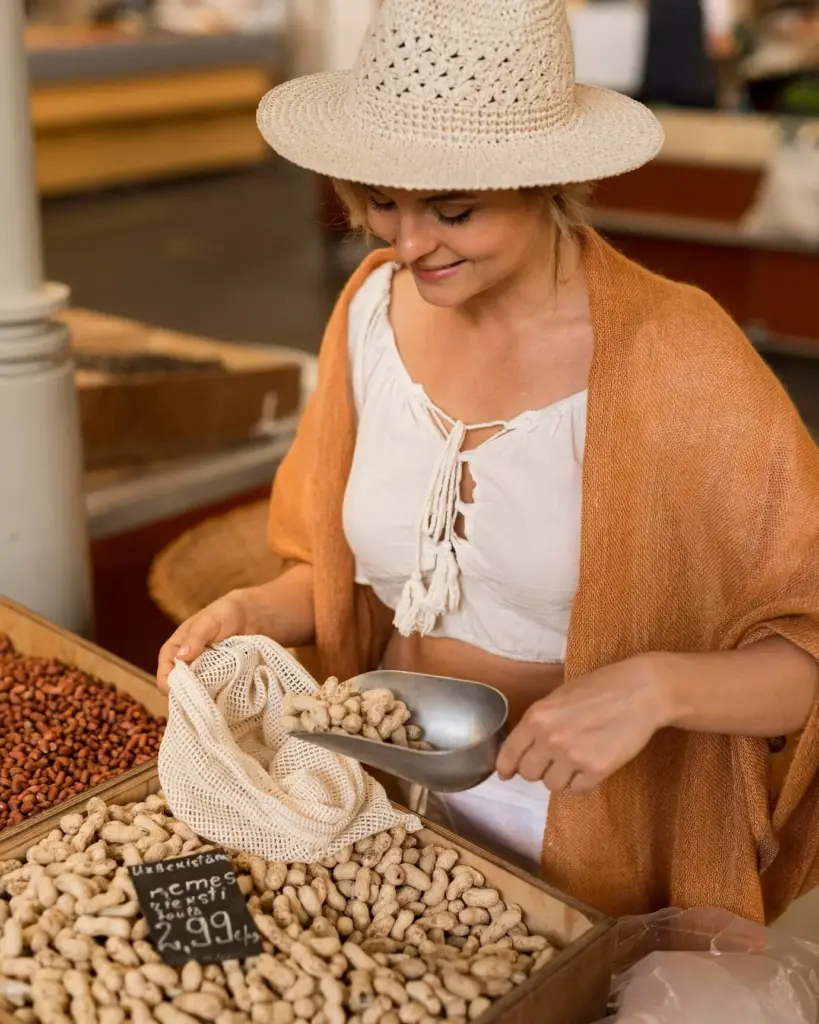
Consider how a purchase uplifts the community where a craft was born. Support projects that teach apprentices, pay local suppliers, and credit historic patterns respectfully. Avoid appropriating protected motifs without context or consent. Celebrate living heritage by learning the meanings behind designs and techniques. When buyers engage with care, makers feel seen, traditions feel relevant, and communities gain reasons and resources to keep creating generously.
Know the Craft: Lace, Wood, Wool, Clay, and Salt
Slovenia’s craft landscape is refreshingly diverse. Delicate lacework carries generations of design logic. Wood carving turns mountain forests into everyday companions. Wool finds new life in felted slippers and blankets that warm both body and memory. Clay breathes earth into functional forms, while coastal salt recalls shimmering pans and sea breezes. Recognizing these materials and methods helps you choose pieces with origins you can trace and qualities you can trust.
Lacework: Precision Turned Into Light
Fine lace requires meticulous counting, steady hands, and immense patience. When you hold a lace bookmark or framed motif, you’re holding hours of concentration guided by patterns passed down across decades. Seek pieces with documented designs, consistent tension, and crisp finishing. Respect the effort by storing flat, avoiding snags, and asking makers about care, so your delicate treasure remains luminous and intact through many generations.
Woodcraft: Everyday Objects with Mountain Roots
Woodenware reflects forests’ quiet generosity. Bowls, spoons, toys, and storage boxes become elegant tools when shaped carefully and finished with natural oils or wax. Favor hardwoods from sustainable sources and surfaces that invite touch. Ask about drying methods, joinery, and safe finishes for food. These objects grow gentler with use, developing patina rather than fatigue, reminding you daily that function and beauty belong together when crafted respectfully.
Wool, Clay, and Salt: Texture, Earth, and Sea
Felted wool offers comforting warmth and sound-absorbing softness, ideal for slippers and home accents. Clay forms functional ceramics that retain heat and bring honest texture to your table. Sea salt from preserved pans carries terroir from wind and water. Ask about sourcing, firing temperatures, glaze safety, fiber origins, and harvest methods. Choosing thoughtfully binds home living to landscapes, turning ordinary routines into small, sustaining rituals.
Where to Shop In Person Across Slovenia
Walking local markets and visiting small studios reveals more than shelves can show. Makers explain techniques, share anecdotes, and happily demonstrate tools if you ask respectfully. Explore city markets, coastal boutiques, and mountain workshops. Museum stores often curate trustworthy selections, while regional craft centers offer demonstrations and classes. Keep cash for small purchases, bring a tote, and record maker names so you can stay in touch after returning home.
Ljubljana: Markets, Riverfront Stalls, and Museum Stores
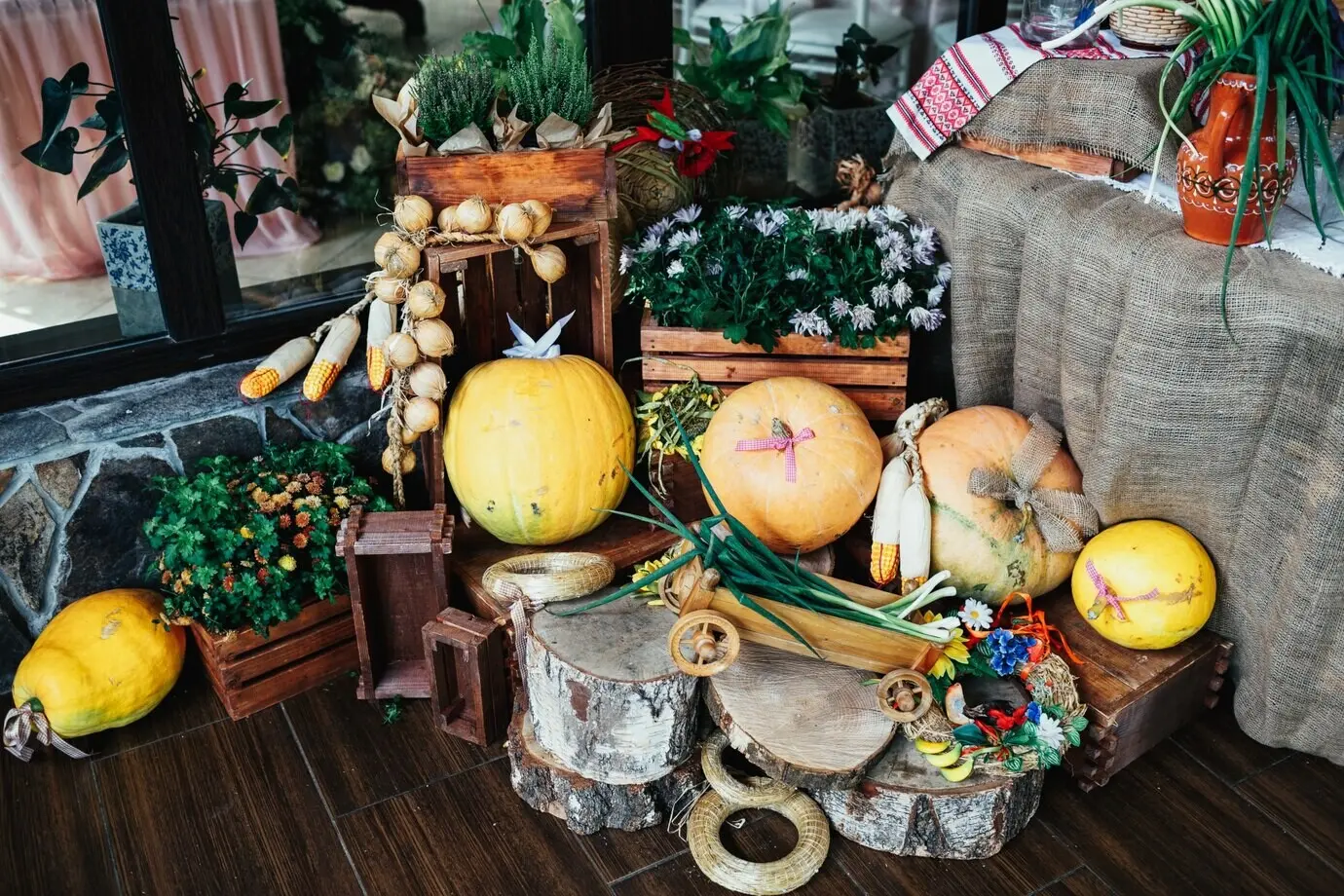
Start at the central market for seasonal encounters with artisans, then follow the riverfront where weekend art stalls often appear in warmer months. Museum shops curate honest, well-documented pieces. Ask vendors about studio visits, commissions, and upcoming maker events. When a maker offers a brief demonstration, give them patient attention; you’ll leave with knowledge, deeper appreciation, and likely a piece that truly fits your life.
Craft Villages and Regional Centers
Regional craft hubs and village workshops provide rare windows into process. You might see bobbins moving through lace patterns, wood shavings curling from a chisel, or clay becoming a cup in steady hands. Many centers run small exhibits, classes, and seasonal fairs. Confirm opening hours and bring curiosity. Purchases here often include provenance cards, care instructions, and the maker’s signature, turning a simple receipt into a meaningful document.
Coastal, Alpine, and Wine Country Boutiques
From coastal towns to alpine valleys and vineyard-dotted hills, small boutiques showcase local materials shaped by place. Expect curated shelves: wool goods for cooler climates, ceramics for shared meals, delicate jewelry with regional motifs. Staff often know the makers personally and can arrange introductions or custom orders. Wander slowly, touch textures, and ask for stories. You may discover a piece that unexpectedly captures an entire landscape’s character.
Spotting Authenticity and Avoiding Greenwashing
Authenticity reveals itself through verifiable details: names, signatures, techniques, and materials that match a maker’s story. Greenwashing thrives in vagueness; demand specificity about sourcing, finishing, and pay. If a price looks impossibly low, consider whose labor was discounted. A few thoughtful questions transform a transaction into a conversation, empowering you to honor craft while protecting your wallet and the communities that keep traditions alive.
Textiles and Lace: Gentle Methods that Preserve Detail
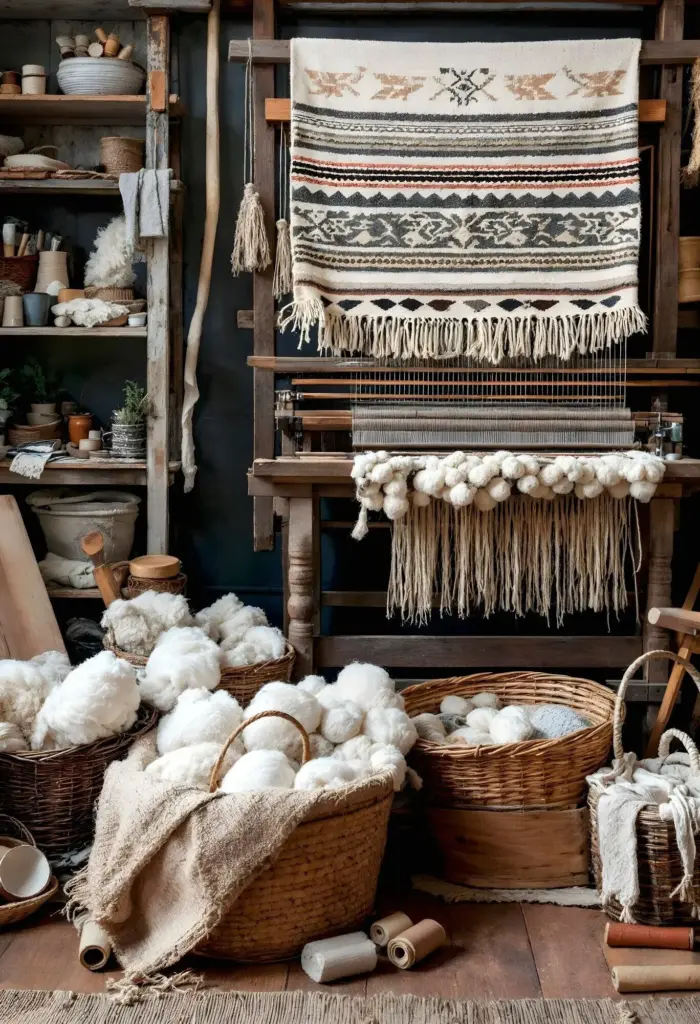
Use cool water, mild detergents, and supportive drying to avoid tension damage. Store lace flat in breathable envelopes, away from snags and sunlight. For wool, choose delicate cycles or handwashing, then reshape while damp. Ask makers about fiber blends and recommended detergents. Simple care extends life dramatically, ensuring intricate patterns stay crisp and colors remain honest, so your textile remains wearable, mending-ready, and worthy of celebration.
Wood and Natural Finishes: Oils, Wax, and Light

Maintain woodenware with food-safe oils or beeswax, wiping excess and allowing time to cure. Avoid soaking; instead, hand-wash promptly and dry thoroughly. Keep pieces out of direct heat and intense sunlight to prevent cracking. Scratches often become character rather than flaws. If something loosens, ask the maker about repairs. Respectful maintenance ensures utility, beauty, and a patina that records daily life with remarkable tenderness and pride.
Ceramics and Salt: Practical Routines for Daily Use

Use non-abrasive sponges, avoid thermal shock, and check that glazes are food-safe for tableware. Small chips can often be smoothed; ask about repair kits or local fixers. Store sea salt in dry containers with a tight seal to prevent clumping. These simple routines preserve function and form, letting handcrafted pieces serve meals, conversations, and rituals repeatedly, without slipping into decorative limbo or unnecessary replacements.
Platforms, Cooperatives, and Direct Studio Stores
Choose seller pages that show real studio scenes, tool marks, and works-in-progress. Cooperatives often vet members for quality and fair practices. Direct studio stores provide the most transparent information and pricing. Verify contact details, shipping origins, and packaging materials. When in doubt, message the maker and ask for a short video or additional photos. Clarity is a feature, not a burden, in ethical online shopping.
Reading Reviews with Discernment
Scan for specifics: material feel, durability after months, responsiveness to questions, and how issues were handled. Ignore generic praise; prioritize reviews showing photos, context, and use over time. Flag patterns of late communication or vague claims. Thoughtful reviews not only guide your purchase but also encourage makers to keep standards high. After buying, contribute your own honest feedback to strengthen the community’s shared knowledge.
Custom Orders, Timelines, and Clear Agreements
Custom work requires patience: agree on materials, dimensions, finishes, price, and delivery dates before production. Pay deposits respectfully and schedule check-ins for progress updates. Expect honest delays if sourcing responsibly or drying materials properly. In return, you receive a piece shaped around your life, stories, and space. Clear agreements protect both sides, turning a transaction into a collaborative relationship worth celebrating and sustaining.
All Rights Reserved.